Option 2 · Interactive-Looking Mix Lab
Low-end mud is a relationship problem
A kick and bass can each sound powerful on their own, then lose weight, definition, or punch the moment they play together. That is not automatically an EQ shortage. Below 200 Hz, small timing and phase differences change how the two sources sum, so the useful question is not “Which track has too much bass?” but “What is their relationship at the moment they collide?”
Heavy but undefined
Low end occupies space without a clear note, kick impact, or repeatable weight across playback systems.
Mono and movement
Check the pair in mono, then nudge one source in small increments while level-matching the comparison.
Choose the clearer sum
Keep the alignment that preserves the musical role of both sources instead of chasing the biggest meter reading.
Translate the result
Recheck on a second system and at lower level. A better relationship should stay legible, not merely louder.
Read the collision before fixing it
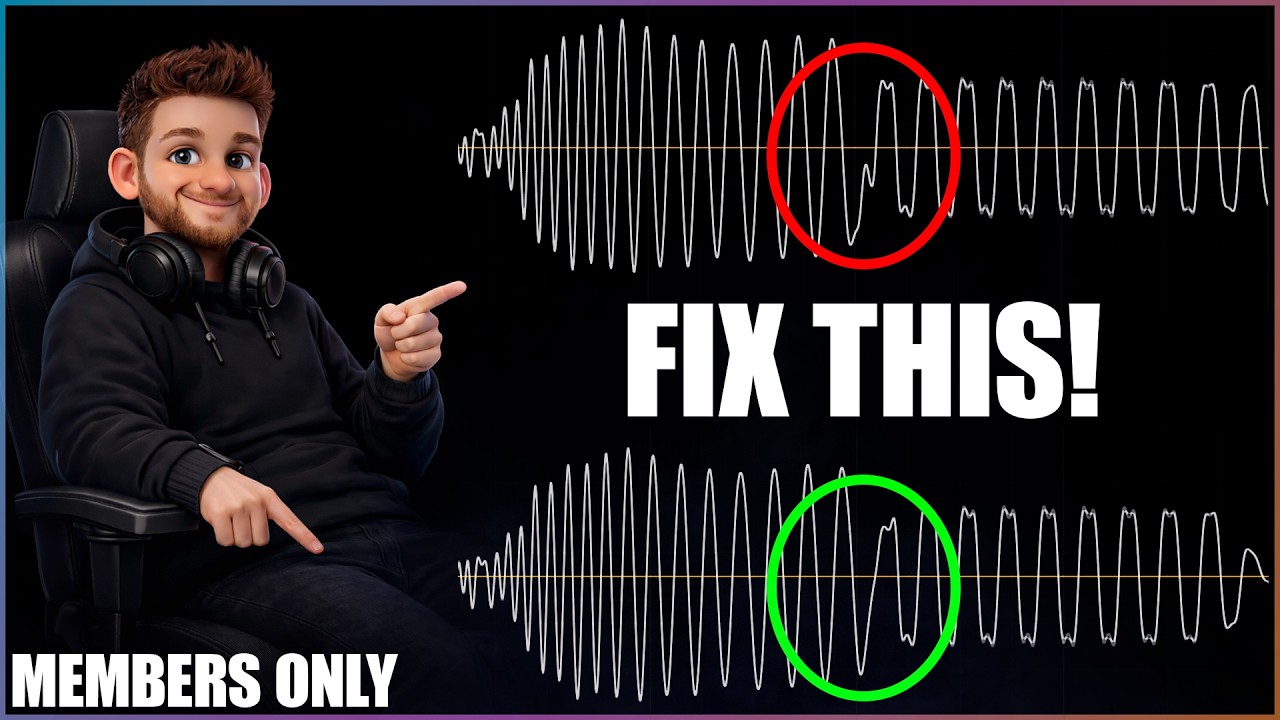
Phase is a time relationship, not a one-button diagnosis. When two similar low-frequency waveforms meet, aligned peaks can reinforce and opposing peaks can cancel. In real music, the relationship varies by frequency, note, envelope, and processing, so a polarity flip may help one part of the note while making another less useful.
Listen for the behavior of the pair, not the soloed tracks. A weak first hit, a bass note that changes size from pitch to pitch, or a low end that disappears in mono is more informative than a spectrum screenshot by itself. Metering and waveform views help you form a hypothesis; the musical test decides whether it is useful.
Level-match every comparison. A louder low end will often feel “better” even when it is less defined and translates worse.
Signal path: diagnose, adjust, verify
Find the pair
Mute nonessential low sources. Work with kick and bass, or the exact two layers that create the muddy moment.
Check mono
Listen to the musical phrase in mono at moderate level. Note whether impact, note definition, or sustain drops away.
Try one move
Test polarity, a tiny timing nudge, or envelope shaping—one variable at a time, with gain compensated.
Reintroduce context
Bring back the mix and compare on a second reference. Keep the option that improves groove and translation.
Treat the stages as a loop, not a ritual. If the correction fixes mono but makes the groove late or the bass note less musical, return to the previous stage and choose a smaller or different adjustment.
Three controlled moves
- Polarity audition. Flip polarity on one source and compare the complete musical phrase. It is a fast test, not a universal repair. Keep it only if the attack and note relationship improve in context.
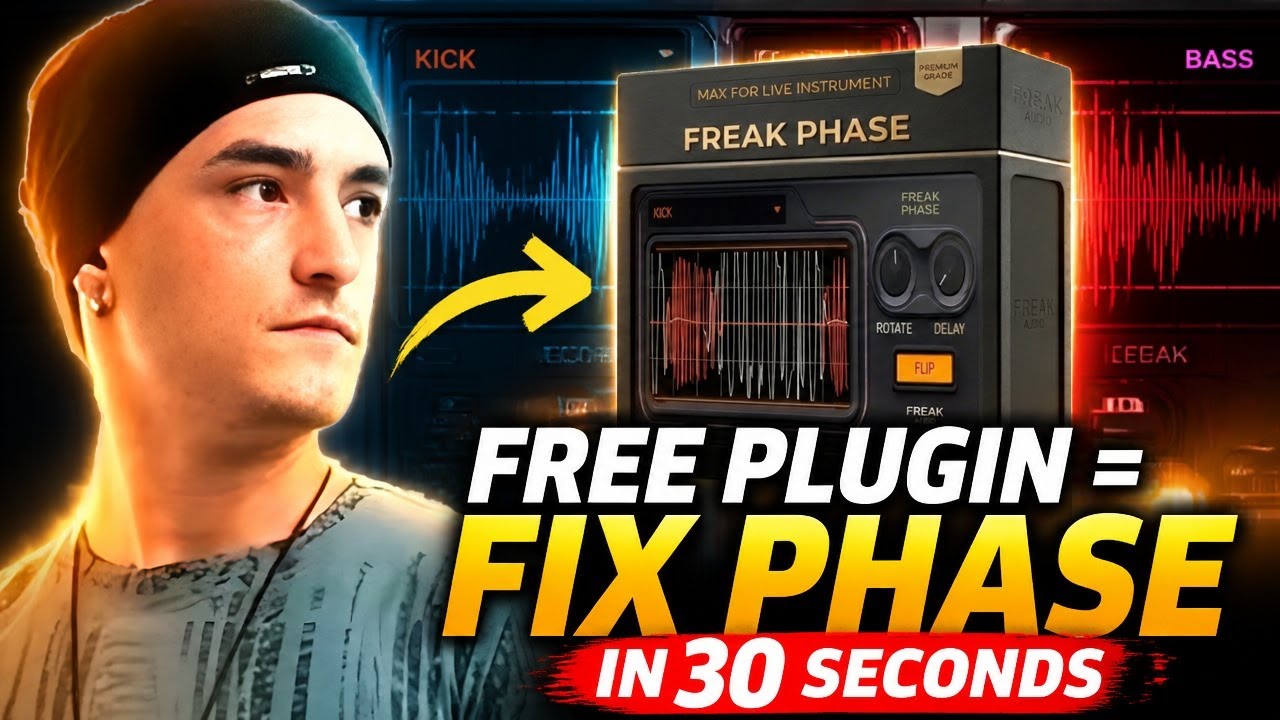
- Micro timing. Nudge one track a few samples or fractions of a millisecond, then audition at matched gain. The objective is not visual waveform perfection; it is a more intelligible collision that still feels rhythmically correct.
- Envelope separation. If timing is already right, shorten the bass attack or sustain slightly, or shape the kick’s low tail. This can create space without forcing a global phase “fix.”
Do not use a large timing shift simply because the analyzer looks cleaner. If the kick loses its pocket or the bass note starts late, the visual alignment is solving the wrong problem.
Example: kick plus synth bass
A four-on-the-floor kick and a sustained synth bass may produce a broad 70–100 Hz swell but little punch. Soloed, both sound expensive. Together, the first kick feels hollow and the bass note turns cloudy in mono. First compare polarity with gain matched. If neither position gives a satisfying result, restore the original polarity and nudge the bass a very small amount while looping only the transition into the note.
Once the kick attack becomes easier to identify, reintroduce the full arrangement. If the bass now speaks more clearly but feels too short, restore some sustain with envelope shaping rather than undoing the time relationship. The successful move is the one that makes the groove legible across the entire phrase—not just the isolated first hit.
Limits, tradeoffs, and the final decision
Not every muddy low end is a phase issue. Arrangement overlap, excessive sustain, monitoring-room modes, sample selection, distortion, and bus processing can all produce similar symptoms. A phase-oriented test is valuable because it is quick and reversible, but it must be followed by a context check.
The durable takeaway: below 200 Hz, make decisions about relationships. Hear the kick and bass as one system, change one variable at a time, and choose the version that keeps both the impact and the musical line intact.