The Anatomy of Punch and Transients
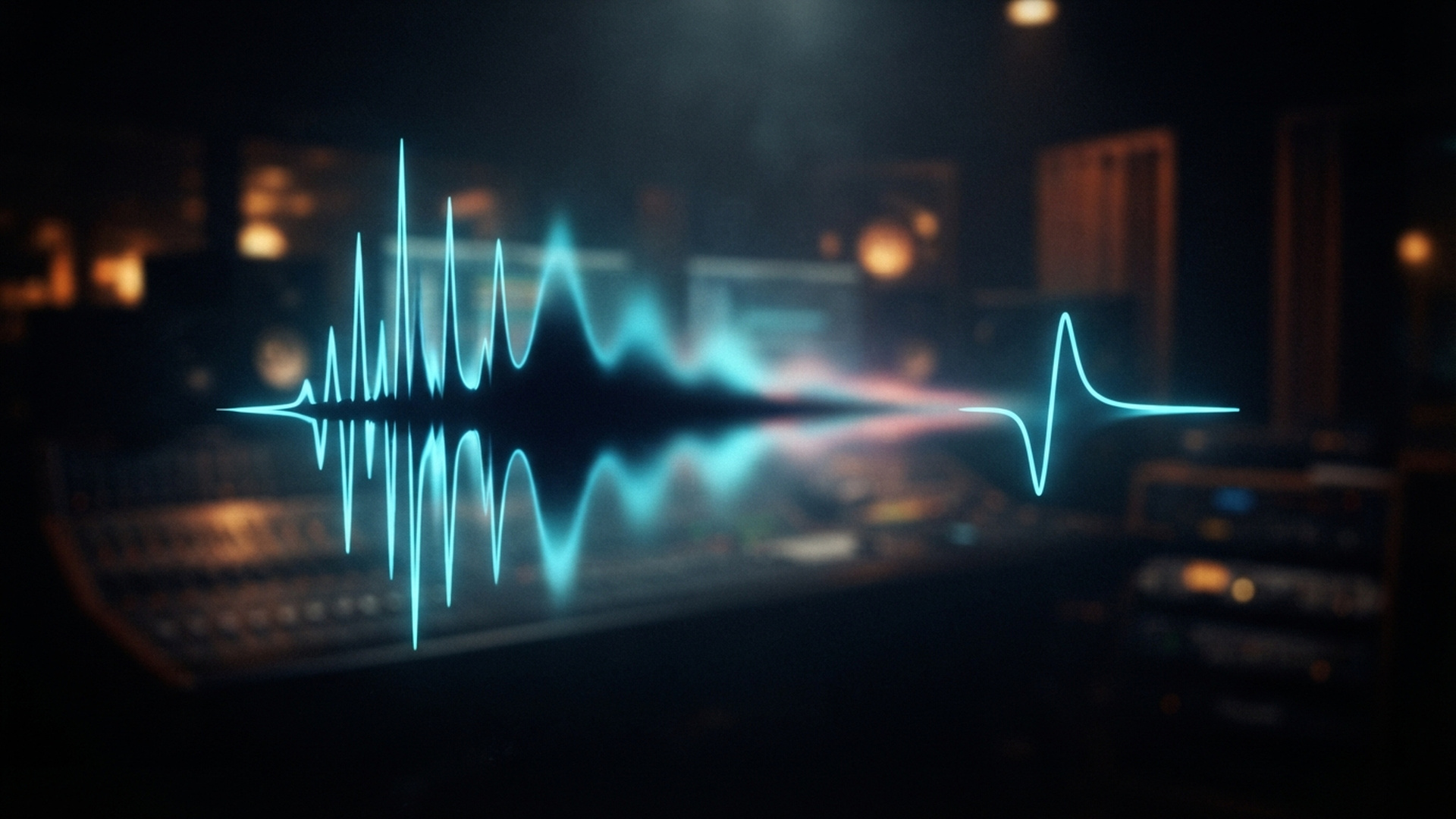
The initial transient is the sharp, immediate onset of a sound, carrying the crucial information for perceived attack, clarity, and 'punch.' It's the 'thwack' of a kick drum, the 'snap' of a snare, or the initial pluck of a guitar string. Without a well-defined transient, sounds can feel dull, soft, or lack excitement, even if they are loud. Critical listening for a lack of 'snap,' 'thwack,' 'crack,' or 'pop' at the beginning of sounds, or a general 'smeared,' 'soft,' 'rounded,' or 'dull' quality at its onset, is the first step in diagnosis. Compare the perceived impact to reference tracks or the raw, unprocessed sound; if a sound is loud but doesn't 'hit' hard, it's a strong indicator of transient loss.
Common Culprits of Transient Smearing
Several common processing techniques, when misapplied, are primary causes of transient smearing. Compressors and limiters, especially with very fast attack times (e.g., <5ms), are notorious for clamping down on the initial transient before it can fully develop, effectively 'rounding off' the attack. Excessive limiting can 'brickwall' transients, flattening their impact. Aggressive saturation can also soften transients by introducing harmonics that mask the initial sharp peak or by simply 'rounding off' the waveform peaks. Furthermore, phase issues between different frequency bands or multiple microphones can lead to transient cancellation or smearing, particularly in the low-mid range, causing a broad lack of definition.
The Indispensable Role of Level-Matched Listening
Accurate diagnosis of transient issues hinges on objective evaluation. Loudness bias is a common pitfall: a louder signal often *seems* punchier, even if its transients are compromised. Therefore, level-matched A/B comparisons are indispensable. Systematically bypassing processors one by one, ensuring the output level matches the bypassed signal, allows for an unbiased assessment of each processor's impact on the transient. Visual waveform analysis can be a helpful guide, showing reduced peak-to-RMS ratios or 'rounded' peaks, but it should never replace critical, level-matched listening. The ear, not the eye, is the ultimate judge of perceived impact.
Step-by-Step Practical Method
- **Listen for the Problem:** Identify specific sounds or the overall mix lacking 'snap,' 'thwack,' or 'impact.'
- **Isolate the Cause:** Systematically bypass processors (especially dynamics and saturation) one by one, ensuring level-matched comparisons. Start with the most recent or aggressive processing.
- **Check Compression/Limiting:** If a compressor or limiter is implicated, try increasing its attack time. A slower attack allows the initial transient to pass through relatively untouched before gain reduction kicks in.
- **Evaluate Saturation:** Reduce saturation levels or try different saturation types if it's causing a 'rounding off' of transients.
- **Inspect Phase:** Use a phase meter or check phase relationships between tracks (e.g., kick drum mics, multi-miked guitars) if transient issues are broad or frequency-dependent.
- **Consider Transient Shapers:** If the issue is severe and other methods fail, a transient shaper can be used to re-emphasize the attack, but use sparingly to avoid artifacts.
- **Review Arrangement/Recording:** Acknowledge that transient issues can originate at the source (e.g., dull performance, poor mic placement, overly dampened drums) and may not be fixable solely in the mix.
Practical Example
A kick drum that sounds 'boomy' but lacks a satisfying 'thump' or 'click' at its onset, even though its peak meter is hitting -6dBFS. Upon diagnosis, a compressor on the kick bus with a very fast attack time (e.g., 0.5ms) is found to be clamping down on the initial transient, effectively 'rounding off' its sharp attack. Increasing the attack time to 10-20ms allows the initial punch to pass through, restoring impact.
Mistakes to Avoid
- **Over-compression with Fast Attack:** The most common mistake, where compressors with very fast attack times (e.g., <5ms) are used, effectively 'chopping off' the initial transient.
- **Excessive Limiting:** Pushing a limiter too hard can 'brickwall' transients, flattening their impact.
- **Loudness Bias:** Judging transient impact solely by loudness, leading to over-processing because a louder signal often *seems* punchier, even if its transients are smeared.
- **Ignoring Phase Issues:** Overlooking phase problems between multiple mics or frequency bands that can cause transient cancellation.
- **Blindly Using Transient Shapers:** Applying transient shapers without understanding the root cause, potentially exacerbating other issues like bleed or harshness.
When Not to Use This Technique
- A
- v
- o
- i
- d
- o
- v
- e
- r
- -
- a
- p
- p
- l
- y
- i
- n
- g
- t
- r
- a
- n
- s
- i
- e
- n
- t
- p
- r
- o
- c
- e
- s
- s
- i
- n
- g
- o
- r
- d
- i
- a
- g
- n
- o
- s
- i
- s
- w
- h
- e
- n
- t
- h
- e
- m
- i
- x
- a
- l
- r
- e
- a
- d
- y
- h
- a
- s
- s
- u
- f
- f
- i
- c
- i
- e
- n
- t
- p
- u
- n
- c
- h
- a
- n
- d
- i
- m
- p
- a
- c
- t
- ;
- n
- o
- t
- e
- v
- e
- r
- y
- s
- o
- u
- n
- d
- r
- e
- q
- u
- i
- r
- e
- s
- a
- n
- e
- x
- a
- g
- g
- e
- r
- a
- t
- e
- d
- t
- r
- a
- n
- s
- i
- e
- n
- t
- ,
- a
- n
- d
- s
- o
- m
- e
- t
- i
- m
- e
- s
- a
- s
- o
- f
- t
- e
- r
- a
- t
- t
- a
- c
- k
- i
- s
- m
- u
- s
- i
- c
- a
- l
- l
- y
- d
- e
- s
- i
- r
- a
- b
- l
- e
- .
- F
- u
- r
- t
- h
- e
- r
- m
- o
- r
- e
- ,
- i
- f
- t
- h
- e
- c
- o
- r
- e
- p
- r
- o
- b
- l
- e
- m
- o
- r
- i
- g
- i
- n
- a
- t
- e
- s
- f
- r
- o
- m
- a
- p
- o
- o
- r
- r
- e
- c
- o
- r
- d
- i
- n
- g
- (
- e
- .
- g
- .
- ,
- a
- d
- u
- l
- l
- p
- e
- r
- f
- o
- r
- m
- a
- n
- c
- e
- ,
- s
- u
- b
- o
- p
- t
- i
- m
- a
- l
- m
- i
- c
- r
- o
- p
- h
- o
- n
- e
- p
- l
- a
- c
- e
- m
- e
- n
- t
- ,
- o
- r
- o
- v
- e
- r
- l
- y
- d
- a
- m
- p
- e
- n
- e
- d
- d
- r
- u
- m
- s
- )
- ,
- t
- r
- a
- n
- s
- i
- e
- n
- t
- p
- r
- o
- c
- e
- s
- s
- i
- n
- g
- c
- a
- n
- o
- n
- l
- y
- o
- f
- f
- e
- r
- l
- i
- m
- i
- t
- e
- d
- i
- m
- p
- r
- o
- v
- e
- m
- e
- n
- t
- a
- n
- d
- m
- a
- y
- i
- n
- t
- r
- o
- d
- u
- c
- e
- u
- n
- w
- a
- n
- t
- e
- d
- a
- r
- t
- i
- f
- a
- c
- t
- s
- .
- W
- a
- v
- e
- f
- o
- r
- m
- v
- i
- e
- w
- s
- a
- l
- o
- n
- e
- d
- o
- n
- o
- t
- r
- e
- p
- l
- a
- c
- e
- c
- r
- i
- t
- i
- c
- a
- l
- ,
- l
- e
- v
- e
- l
- -
- m
- a
- t
- c
- h
- e
- d
- l
- i
- s
- t
- e
- n
- i
- n
- g
- f
- o
- r
- t
- r
- a
- n
- s
- i
- e
- n
- t
- i
- s
- s
- u
- e
- s
- ,
- a
- n
- d
- o
- v
- e
- r
- -
- a
- n
- a
- l
- y
- z
- i
- n
- g
- t
- r
- a
- n
- s
- i
- e
- n
- t
- s
- c
- a
- n
- l
- e
- a
- d
- t
- o
- a
- n
- o
- v
- e
- r
- l
- y
- '
- s
- p
- i
- k
- y
- '
- o
- r
- f
- a
- t
- i
- g
- u
- i
- n
- g
- m
- i
- x
- i
- f
- n
- o
- t
- b
- a
- l
- a
- n
- c
- e
- d
- w
- i
- t
- h
- s
- u
- s
- t
- a
- i
- n
- a
- n
- d
- b
- o
- d
- y
- .
Tradeoffs
- **Slower Compression Attack vs. Peak Control:** While a slower attack preserves punch, it allows more of the initial peak to pass through, potentially making overall peak control harder. This might necessitate a separate, faster-acting limiter or careful gain staging downstream.
- **Transient Enhancement vs. Artifacts:** Aggressively enhancing transients can bring out unwanted noise, clicks, bleed from other instruments, or make the sound harsh and fatiguing.
- **Punch vs. Sustain:** Focusing too much on the initial punch can sometimes reduce the perceived sustain or body of a sound if not balanced carefully with release times and overall dynamic processing.
Conclusion
Ultimately, preserving or restoring the integrity of initial transients is paramount for achieving perceived punch and impact in audio. This demands careful, level-matched listening, a systematic diagnostic approach, and the judicious application of dynamics and saturation processing, always prioritizing the sound's initial attack. By understanding and addressing the causal factors behind transient smearing, audio engineers can craft mixes that truly 'hit' with clarity and dynamism.
Related Reading
- Slap, Punch, Transients, Compressors, Oh My! — Korneff Audio. Transient and compression timing primer.
- How Compression Ruins Mixes — and How to Avoid It — Playfair Audio. Tradeoffs of over-compressing a mix.